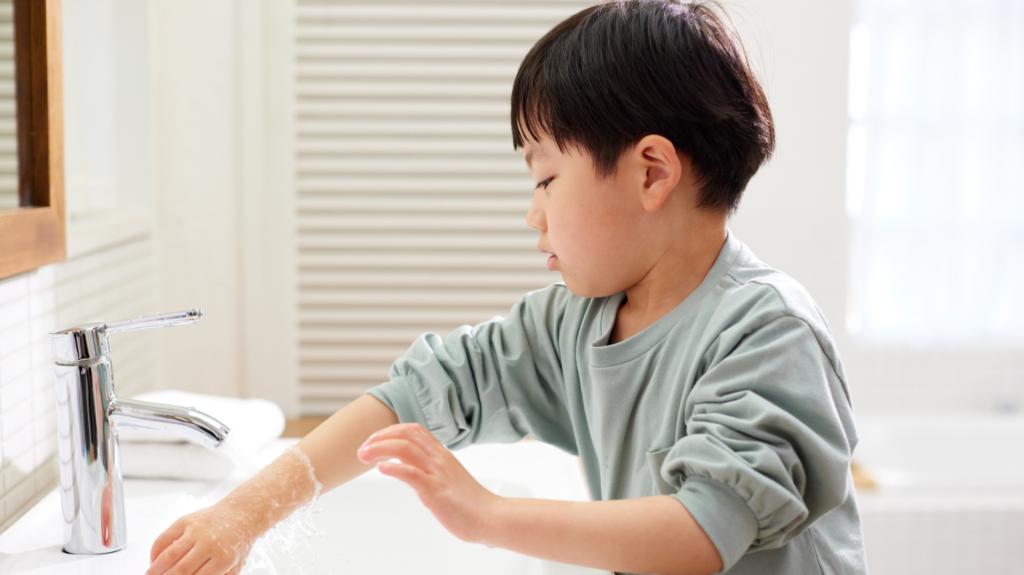
As parents and caregivers, one of the simplest yet most important lessons we can teach children is the value of proper hand hygiene. Clean hands protect not only the child but also everyone around them—especially in places where children interact closely with others, like schools and daycare centers. By teaching good handwashing habits early, we help children build a strong foundation for health and self-care that lasts a lifetime.
Why Hand Hygiene is So Important
Children are naturally curious. They touch everything—door handles, toys, animals, playground equipment—and then, without thinking, their hands go to their eyes, mouth, or nose. This makes it easy for germs to spread and cause illnesses like colds, flu, and stomach bugs.
Studies show that proper handwashing can reduce respiratory illnesses by up to 20% and diarrheal diseases by around 30%. Health care providers emphasize that regular hand hygiene is one of the most effective ways to prevent infections, especially in children whose immune systems are still developing.
When Should Kids Wash Their Hands?
Consistency is key to developing good hygiene habits. Encourage children to wash their hands during these key moments:
- Before and after eating
- After using the toilet
- After playing outside
- After touching animals or pets
- After sneezing, coughing, or blowing their nose
- After coming home from school or public places
If you’re unsure whether your child should wash their hands, you can always consult your primary health care provider for guidance tailored to your child’s specific needs.
Teaching Proper Handwashing: Tips for Parents
1. Make it fun and engaging
Turn handwashing into a fun activity. Sing songs like “Happy Birthday” twice to help kids wash for at least 20 seconds. There are also videos and apps designed to teach hand hygiene in playful, memorable ways.
2. Use visual aids and demonstrations
Show your child exactly how to wash their hands:
- Wet hands with clean water
- Lather with soap
- Scrub all areas, including the backs of hands, between fingers, and under nails
- Rinse thoroughly
- Dry with a clean towel
Kids learn best through repetition and example—so let them watch you do it, and then let them try.
3. Make handwashing accessible
Place a step stool by the sink so your child can reach the counter easily. Consider letting them pick out a fun soap with their favorite scent or character to make the experience more enjoyable.
4. Reinforce with encouragement
Positive feedback helps new habits stick. A simple “Great job washing your hands!” or a sticker chart can make a big difference in motivation.
Handling Resistance
If your child resists washing their hands, stay calm and consistent. Try explaining why it matters in ways they can understand—“Washing your hands keeps your tummy from getting sick” or “It helps protect your friends, too.”
If you notice frequent resistance or if your child seems prone to frequent infections, it may be worth checking in with health care providers near you. A quick consultation with a primary health care provider can offer helpful tips and rule out any underlying issues.
Support from Schools and Communities
Hand hygiene isn’t just a home practice—it’s reinforced in schools, daycare centers, and community programs. Many health care providers partner with local institutions to promote hygiene education and improve access to handwashing facilities.
Parents can also encourage schools and care providers to prioritize hygiene by asking questions like, “Are handwashing breaks scheduled into the day?” or “Is there support from local health care providers for health education?”
Building a Lifelong Habit
Handwashing might seem like a small act, but it has a big impact. Teaching children to keep their hands clean helps them understand responsibility, respect for others, and the importance of caring for their own bodies.
By starting early and making hygiene a part of everyday life, you empower your child to grow healthier and more mindful. If you have any concerns or questions about your child’s health habits, don’t hesitate to consult with health care providers near you. Your primary health care provider is a valuable partner in ensuring your child’s development stays on track.

For more expert tips on child health and hygiene—or to consult with trusted health care providers near you—reach out to MCMI. Our team of compassionate primary health care providers is here to support your family’s wellness every step of the way.
Leave a comment
Sign in to post your comment or sign-up if you don't have any account.